Compare your deck to SendGrid

Compare Your Deck

SendGrid Pitch Deck (2009)

SaaS
Stage: Seed
Raised: $750K
Year: 2009
Slides: 7
Outcome: Acquired by Twilio for $2B

Pitch Deck

1 / 7
SendGrid pitch deck slide 1
Click to expand

Deck Analysis

This pitch deck presents SendGrid, a company that offers a cloud-based email delivery service, addressing common transactional email problems. Notable for its eventual acquisition by Twilio for $2 billion, SendGrid successfully raised $750K in a seed round in 2009. The company stands out for its solution to email deliverability, scalability, and integration challenges in the SaaS category.

The Challenge: Transactional Email Issues

The Challenge: Transactional Email Issues

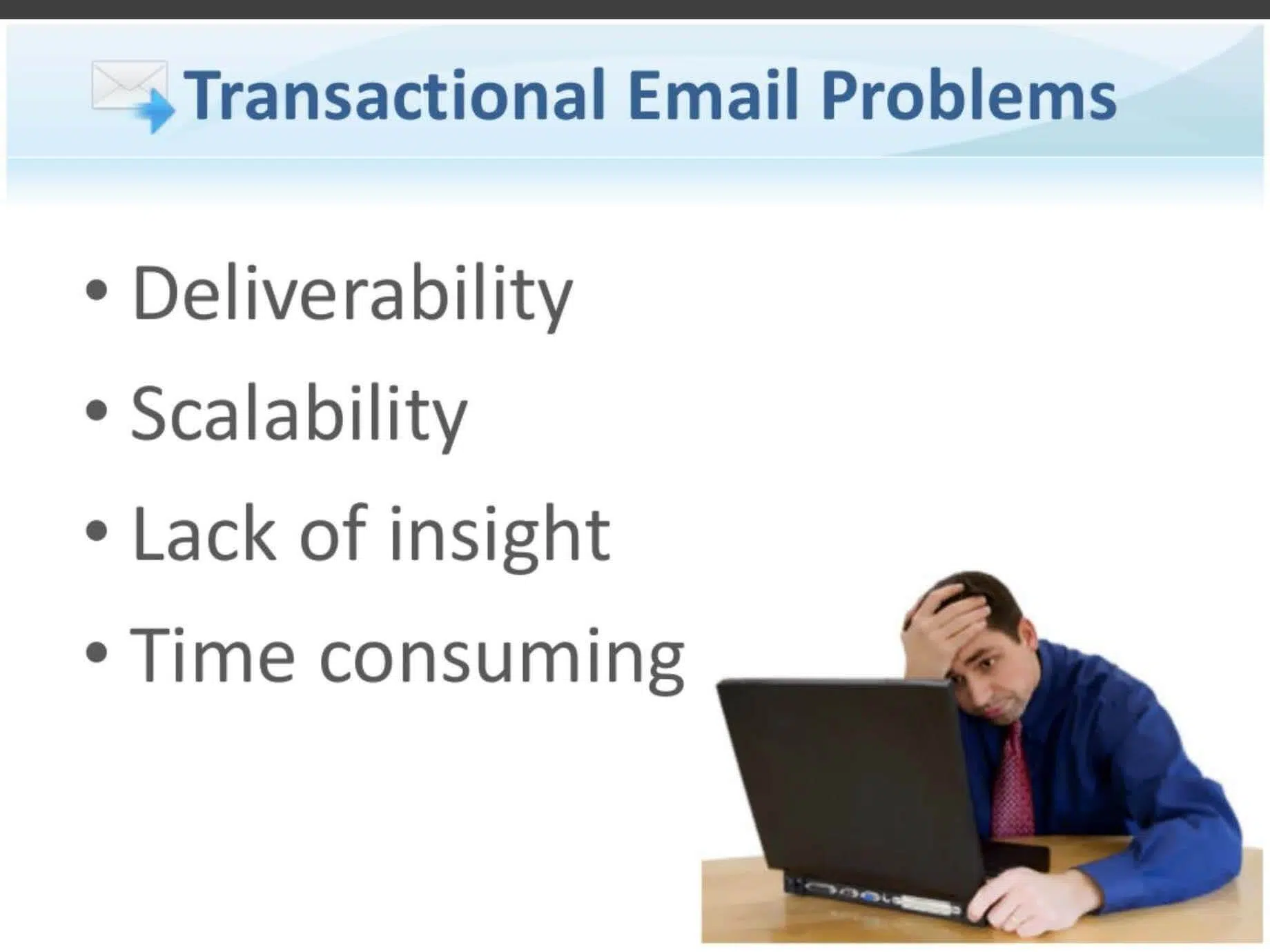
The first few slides introduce the common problems associated with transactional emails, including deliverability issues, scalability challenges, lack of insight, and time consumption. These slides effectively set the stage for why SendGrid's solution is necessary. By clearly outlining these pain points, the deck captures the audience's attention and establishes a compelling reason for the service. Founders can learn the importance of clearly defining the problem their product solves, making it relatable to potential investors.

Key Takeaway: Clearly articulate the problem your product solves to capture interest and set a strong foundation for your solution.
The Solution: Email Delivery Made Easy

The Solution: Email Delivery Made Easy

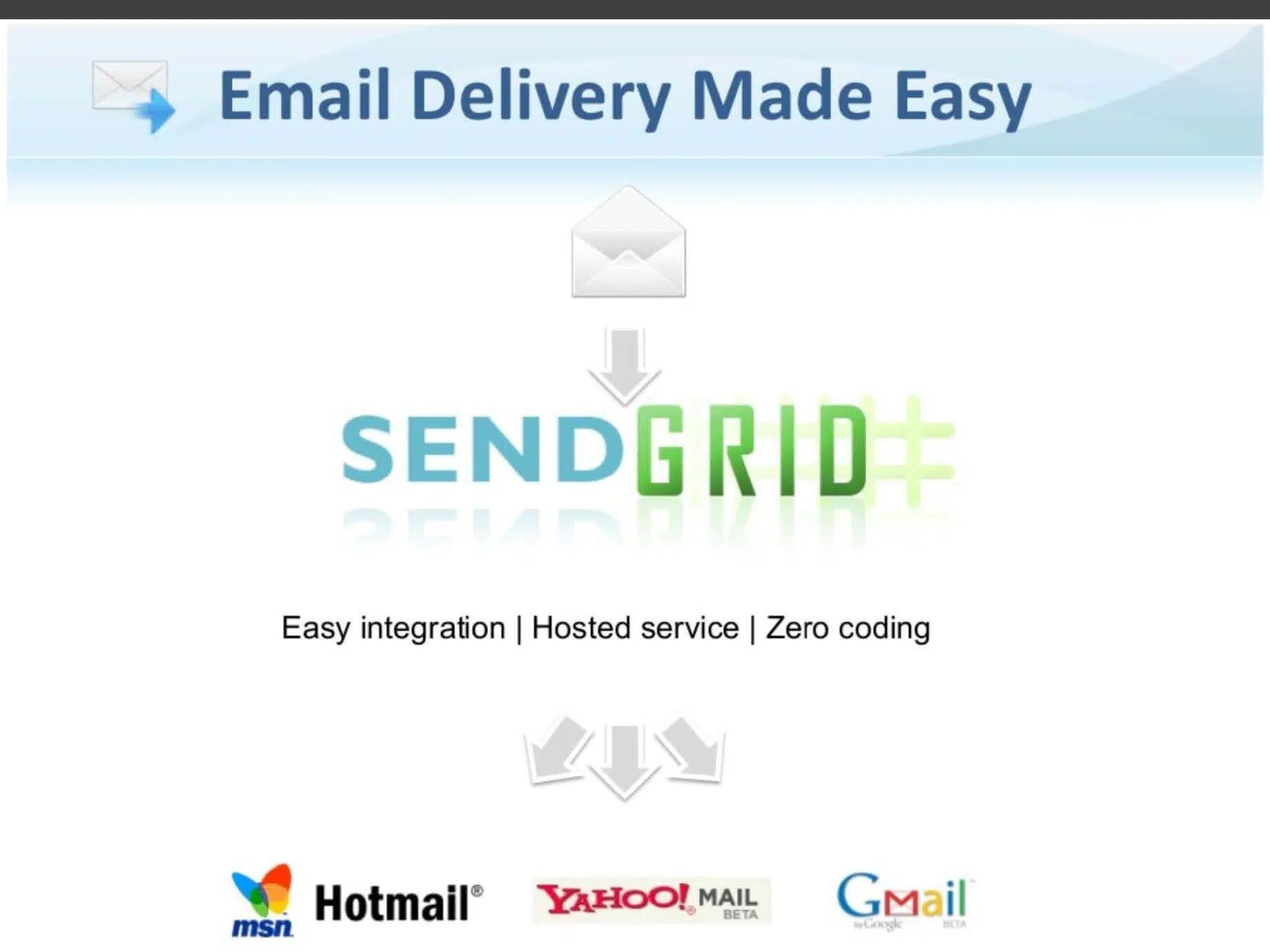
SendGrid introduces its solution with a slide that highlights easy integration, hosted service, and zero coding requirements. This slide is effective because it directly addresses the pain points mentioned earlier, offering a straightforward and appealing solution. The visual representation of major email providers like Gmail, Yahoo, and Hotmail reinforces the service's compatibility and broad applicability. Founders can take away the importance of clearly connecting their solution to the problems outlined, and using visuals to enhance understanding and appeal.

Key Takeaway: Connect your solution to the identified problems and use visuals to enhance clarity and appeal.
Highlighting the Impact: Deliverability

Highlighting the Impact: Deliverability

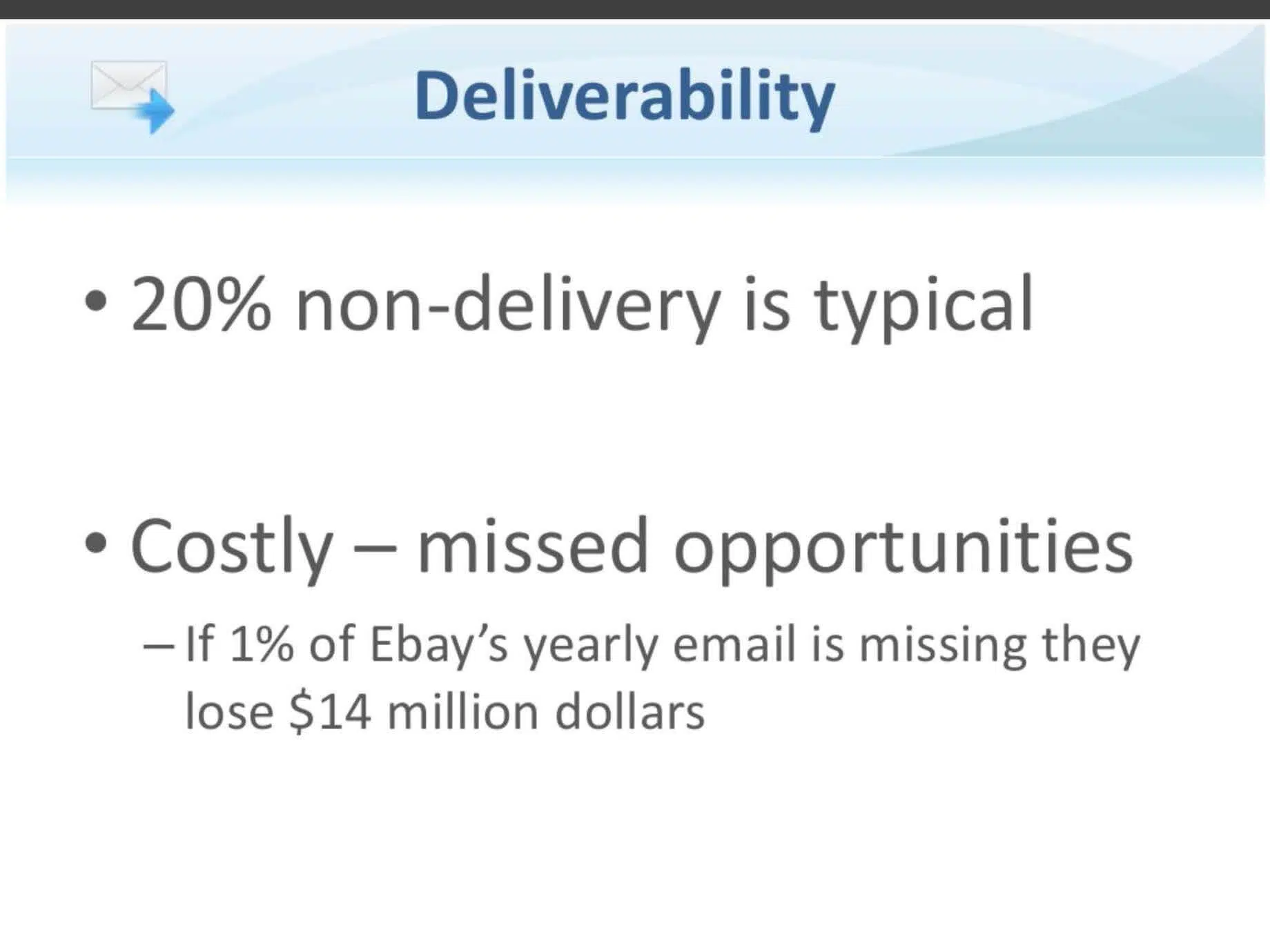
The deck emphasizes the impact of email deliverability issues, stating that 20% non-delivery is typical and illustrating the financial implications with an example from eBay. This slide is powerful as it quantifies the problem, making it tangible for investors. It underscores the financial stakes involved, thereby increasing the perceived value of SendGrid's solution. Founders should note the effectiveness of using data and real-world examples to demonstrate the significance of their solution.

Key Takeaway: Use data and real-world examples to quantify the problem and emphasize the value of your solution.
Solution Details: Deliverability Solved

Solution Details: Deliverability Solved

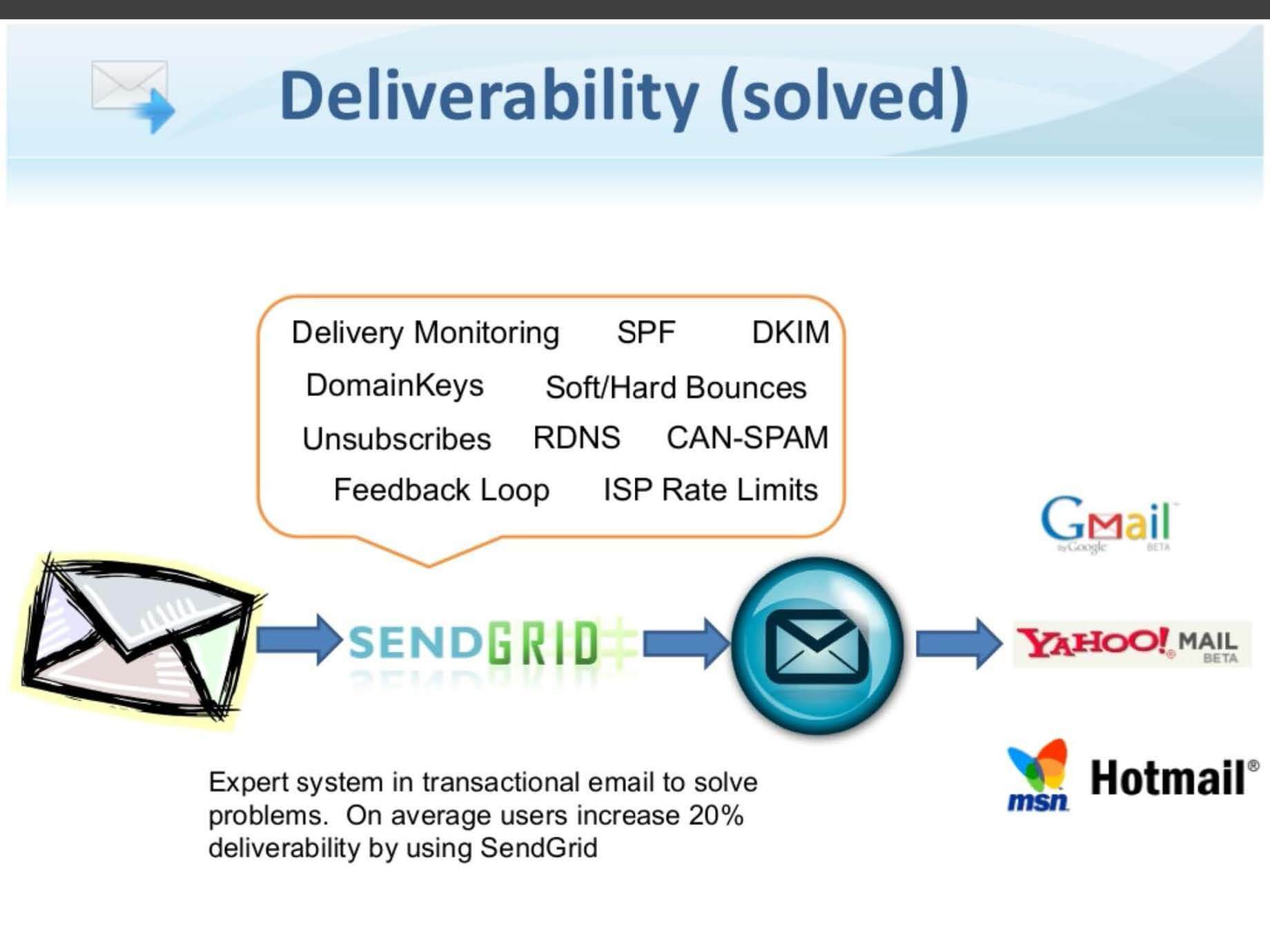
This slide delves into the technical aspects of how SendGrid solves deliverability issues, mentioning features like SPF, DKIM, and feedback loops. It reassures investors of the service's comprehensiveness and technical robustness. By explaining the technical intricacies, the slide builds investor confidence in SendGrid's capability to deliver on its promises. Founders should ensure they provide enough technical depth to satisfy investor inquiries while maintaining clarity and accessibility.

Key Takeaway: Provide enough technical detail to build confidence in your solution's robustness and capability.
Scalability Challenges and Solutions

Scalability Challenges and Solutions

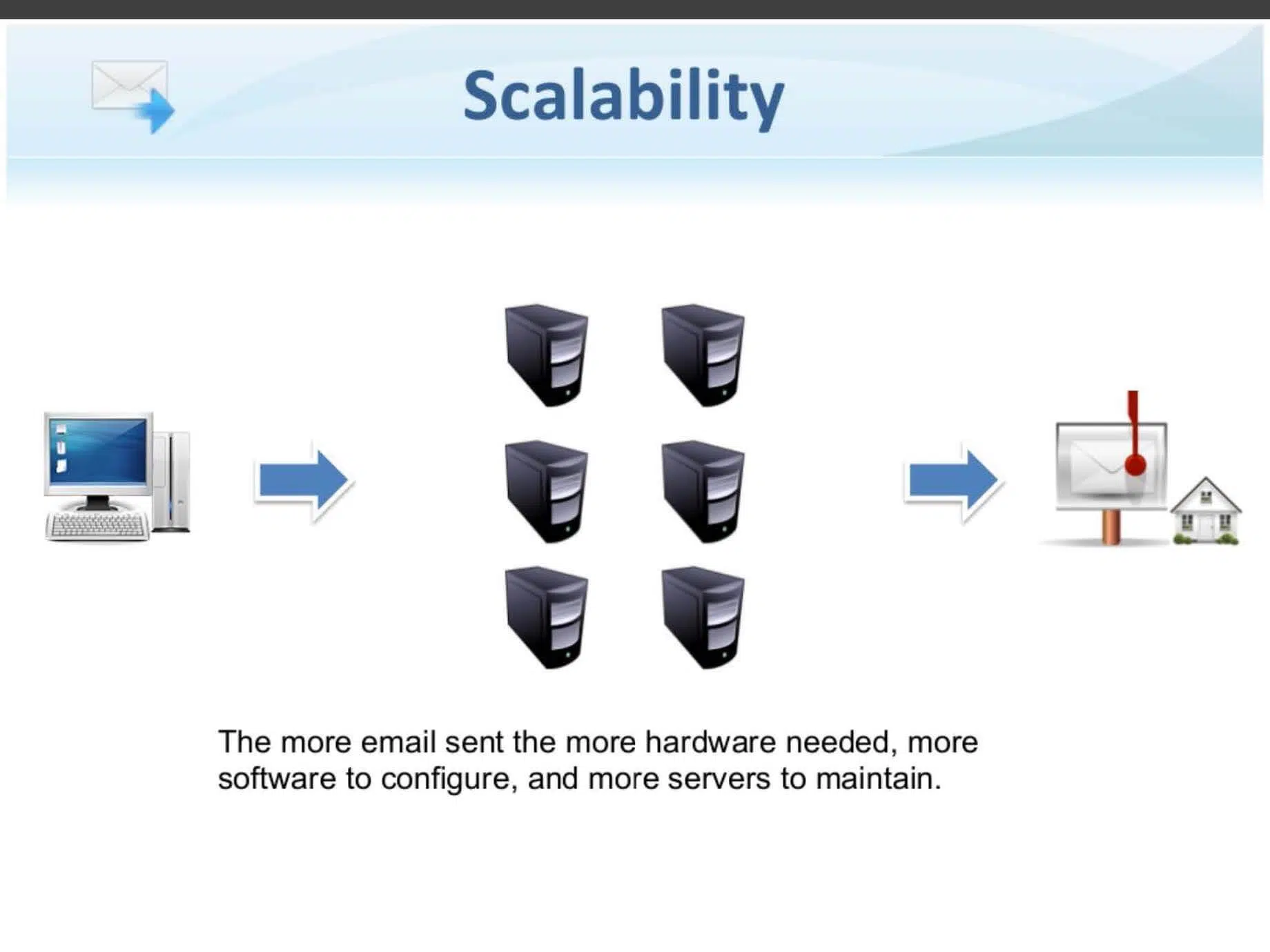
The scalability slide illustrates the typical challenges businesses face as they grow, requiring more hardware and software maintenance. By addressing these issues, SendGrid positions itself as a scalable solution that grows with its customers. This foresight into future challenges demonstrates SendGrid’s understanding of its market, making it an attractive investment. Founders should anticipate future scalability needs and position their solutions as adaptable and future-proof.

Key Takeaway: Anticipate scalability challenges and position your solution as adaptable to future growth.
Market Validation: Widespread Email Usage

Market Validation: Widespread Email Usage

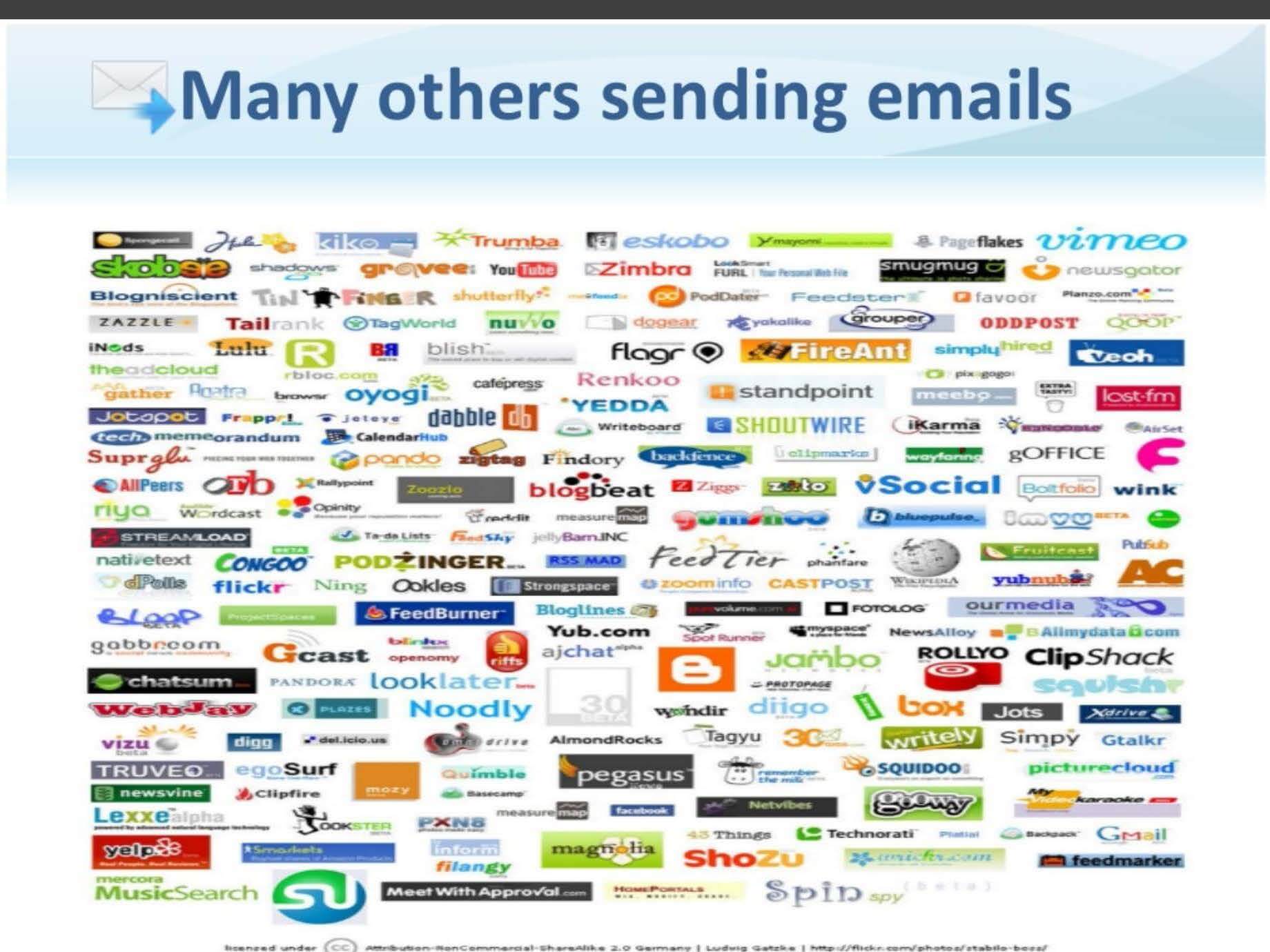
The final section showcases logos of many companies involved in email sending, highlighting the widespread use and need for reliable email delivery services. This slide serves as market validation, demonstrating the high demand and relevance of SendGrid's offering. By showing the breadth of potential users, the deck effectively conveys market opportunity. Founders can learn the importance of demonstrating market demand and validation to strengthen their pitch.

Key Takeaway: Demonstrate market validation and demand to strengthen your pitch.

Conclusion: Key Lessons

SendGrid's pitch deck effectively identifies a significant problem, presents a clear and technically robust solution, and validates market demand. The deck's strengths lie in its clear problem-solution connection, use of data and examples, and anticipation of future scalability needs. Founders creating their own pitch decks should focus on clearly defining the problem, presenting a compelling solution, leveraging data for impact, and demonstrating market validation to attract investment.

Full Deck Analysis

11 sections

Overview

Company: SendGrid
Round: Seed ($750K)
Year: 2009
Outcome: Acquired by Twilio for $2B (2019)
Stage: Early-stage SaaS, pre-product-market fit validation

Executive Summary

SendGrid’s 2009 seed deck presents a focused solution to a critical infrastructure problem: reliable transactional email delivery at scale. The deck effectively demonstrates market need through concrete examples (20% non-delivery industry baseline, $14M potential loss for eBay), validates product-market fit with 100+ customer logos, and positions SendGrid as the hosted solution that eliminates the operational burden of email infrastructure. The deck’s strength lies in its problem-first approach and impressive early customer traction, though it lacks detailed business metrics and financial projections typical of later-stage rounds.

Problem Statement

The deck articulates four interconnected problems in transactional email (Slide 2):

  1. Deliverability (Slide 4) — 20% non-delivery is typical in the industry
    • Financial impact quantified: 1% of eBay’s yearly email = $14M loss
    • Implies massive opportunity cost for e-commerce and SaaS companies
  2. Scalability (Slide 6) — Infrastructure burden increases linearly with email volume
    • More hardware needed, more software to configure, more servers to maintain
    • Operational complexity grows as companies scale
  3. Lack of insight (Slide 2) — Implied monitoring and analytics gaps
    • Not explicitly detailed but referenced as a pain point
  4. Time consuming (Slide 2) — Implementation and maintenance overhead
    • Developers must handle complex email infrastructure instead of core product

Target Customer Profile: E-commerce platforms, SaaS companies, and web 2.0 startups sending high-volume transactional emails (order confirmations, password resets, notifications).

Solution

SendGrid positions itself as a hosted, API-driven email delivery platform that abstracts away email infrastructure complexity (Slide 3-5).

Core Value Propositions:

  • Easy integration (API-first approach)
  • Hosted service (no infrastructure management)
  • Zero coding (simplified implementation)

Technical Approach to Deliverability (Slide 5):
SendGrid solves the 20% non-delivery problem through an “expert system” handling:

  • SPF, DKIM, DomainKeys authentication
  • RDNS (reverse DNS) configuration
  • Delivery monitoring and feedback loops
  • ISP rate limit management
  • Soft/hard bounce handling
  • Unsubscribe management
  • CAN-SPAM compliance

Key Benefit: Users increase deliverability by 20% on average by using SendGrid (directly offsetting the industry baseline problem).

Architecture: Acts as an intermediary hub between customer applications and major ISPs (Gmail, Yahoo Mail, Hotmail), handling the complex backend so customers don’t have to.

Market Opportunity

Market Size Analysis:
The deck does not explicitly state TAM/SAM/SOM figures, but provides directional indicators:

  • Implied TAM: All companies sending transactional emails (e-commerce, SaaS, marketplaces)
  • Quantified opportunity: eBay example suggests $14M annual value from just 1% improvement in email delivery
  • Market validation: 100+ customer logos (Slide 7) across diverse verticals indicates broad applicability

Market Dynamics:

  • Transactional email is mission-critical for e-commerce and SaaS
  • 2009 context: Web 2.0 boom, rapid growth in online commerce and social platforms
  • No mention of market size studies or analyst reports (typical for 2009 seed decks)

Addressable Segments (implied by customer logos):

  • E-commerce (eBay, Amazon)
  • Social platforms (Flickr, Foursquare, Tumblr)
  • Content platforms (YouTube, Blogger, Hulu)
  • Productivity tools (Pandora, Last.fm)
  • Developer tools and services

Business Model

Pricing Model: Not explicitly stated in the deck, but implied to be usage-based (SaaS/API model)

  • Likely per-email or tiered pricing based on volume
  • Hosted service suggests recurring subscription revenue

Unit Economics: Not provided

  • No mention of CAC, LTV, churn, or ARPU
  • No pricing tiers or customer segments shown

Revenue Recognition: Transactional/usage-based model suggests:

  • Predictable recurring revenue from high-volume senders
  • Potential for expansion as customer email volume grows
  • Low churn for mission-critical infrastructure

Traction & Metrics

Customer Traction (Slide 7):

  • 100+ paying customers across diverse verticals
  • Notable customers include: YouTube, Flickr, Pandora, Yelp, Blogger, Foursquare, Vimeo, Last.fm, Hulu, Zimbra, Groupon, Tumblr, and many others
  • Represents significant early adoption for a 2009 seed-stage startup

Product Metrics:

  • Deliverability improvement: 20% average increase for users
  • Industry baseline: 20% non-delivery (implies SendGrid achieves ~80% or better)

Missing Metrics:

  • Monthly Recurring Revenue (MRR) or Annual Recurring Revenue (ARR)
  • Customer acquisition rate or growth trajectory
  • Email volume processed
  • Customer retention/churn rate
  • Average revenue per user (ARPU)
  • Burn rate or runway

Competitive Positioning

Competitive Advantages (implied):

  1. Hosted solution — Eliminates infrastructure burden vs. self-hosted alternatives
  2. Expert system — Deep email deliverability expertise (SPF, DKIM, ISP relationships, feedback loops)
  3. Developer-friendly — API-first, zero-coding integration vs. complex manual setup
  4. Proven traction — 100+ customers vs. competitors with minimal adoption

Competitive Landscape (not explicitly addressed):

  • No direct competitor comparison shown
  • No mention of alternatives (in-house solutions, other hosted providers)
  • Implicit positioning: SendGrid is the easiest, most reliable option

Market Positioning: “Expert system in transactional email” — positions SendGrid as the specialist solution, not a generalist email platform.

Team

Team Information: Not provided in the deck

  • No founder names, backgrounds, or credentials shown
  • No team size or composition mentioned
  • No relevant experience in email, infrastructure, or SaaS highlighted

Notable Omission: For a seed round, the lack of team information is a significant gap. Investors typically prioritize founder credibility and relevant domain expertise.

Go-to-Market Strategy

Distribution Approach (implied):

  • Developer/API-first GTM — Targets technical buyers (engineers, DevOps)
  • Self-serve onboarding — “Easy integration” and “zero coding” suggest low-friction signup
  • Bottom-up adoption — Developers integrate SendGrid into applications, driving organizational adoption
  • Viral/network effects — Each customer’s emails carry SendGrid’s infrastructure, creating implicit marketing

Sales/Marketing Channels: Not explicitly detailed

  • No mention of sales team, partnerships, or marketing spend
  • Customer logos suggest organic/word-of-mouth growth among Web 2.0 community

Customer Acquisition: Not quantified

  • No CAC, payback period, or acquisition channel data provided

The Ask

Funding Amount: $750K seed round

Use of Funds: Not explicitly stated in the deck

  • Likely allocation (inferred): Product development, infrastructure/servers, hiring, go-to-market
  • No breakdown provided

Valuation: Not mentioned in the deck

Runway: Not disclosed

Investor Deep Dive

Executive summary, strengths & red flags

Executive Summary

SendGrid's 2009 seed deck presents a focused solution to a critical infrastructure problem: reliable transactional email delivery at scale. The deck effectively demonstrates market need through concrete examples (20% non-delivery industry baseline, $14M potential loss for eBay), validates product-market fit with 100+ customer logos, and positions SendGrid as the hosted solution that eliminates the operational burden of email infrastructure. The deck's strength lies in its problem-first approach and impressive early customer traction, though it lacks detailed business metrics and financial projections typical of later-stage rounds.

Key Strengths

12 identified

1

Problem-First Narrative with Quantified Impact

- Slide 4 quantifies the deliverability problem ($14M loss for eBay from 1% email failure) before introducing the solution

2

Impressive Early Traction (100+ Customers)

- Slide 7 displays 100+ customer logos including major Web 2.0 brands (YouTube, Flickr, Pandora, Yelp, Groupon)

3

Clear, Focused Value Proposition

- Three simple value props (Easy integration, Hosted service, Zero coding) directly address developer pain

4

Technical Credibility Through Feature Depth

- Slide 5 lists specific email infrastructure features (SPF, DKIM, RDNS, Feedback Loop, ISP Rate Limits) showing deep domain expertise

5

Visual Clarity and Consistency

- Consistent design language (envelope icon, blue/green color scheme, clean layouts) across all 7 slides

6

Missing Business Metrics and Financial Projections

- No MRR, ARR, CAC, LTV, churn, or growth rate provided

7

No Team Information

- Deck doesn't mention founders, team size, or relevant experience

8

Incomplete Solution Narrative

- Slide 6 (Scalability problem) is not followed by a "Scalability (solved)" slide

9

Unsubstantiated Claims

- "20% non-delivery is typical" (Slide 4) and "20% deliverability increase on average" (Slide 5) lack sources or methodology

10

No Competitive Differentiation

- Deck doesn't mention competitors or explain why SendGrid is better

11

Limited Market Size Analysis

- No TAM/SAM/SOM breakdown; market opportunity is implied but not quantified

12

Vague Go-to-Market Strategy

- No mention of sales strategy, marketing channels, partnerships, or customer acquisition approach

More Pitch Decks To Study

Compare structure, fundraising context, and investor-facing story across similar startup decks.